Garage Door Criteria and the Expense of Ignoring Them
A garage door looks easy from the road. It opens, it closes, and many people just consider it when it quits working. That is usually the incorrect minute to begin paying attention.
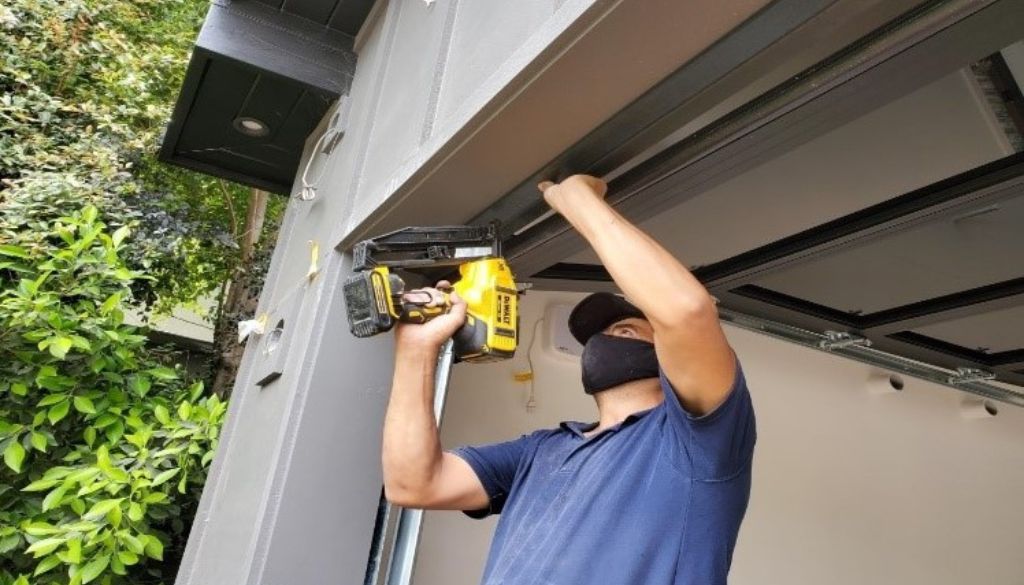
In practice, a garage door is just one of the most important moving components of a building envelope. It is a huge opening in a framework that needs to withstand wind, stay straightened, protect people and home, and operate reliably after years of use. When it is inadequately defined, badly kept, or repaired without regard for garage door criteria, the consequences are rarely limited to the door itself. Damages spreads. Water enters. Walls crack. Ceilings lift. Roof covering cladding can be jeopardized. In serious weather, the failing can also turn the door into a resource of dangerous debris.
That is why requirements matter. They are not documentation for the sake of documents. They are the line in between a system that carries out under tension and one that gives way at the worst possible time.
What garage door standards in fact do
A conventional collections a criteria for efficiency, design, testing, or installation. In the garage door context, the factor is not aesthetic consistency. The point is safety, resilience, and foreseeable operation.
Standards Australia is clear that Australian Standards are volunteer unless they are referenced by legislation. As soon as a criterion is picked up by law, code, or an additional lawful tool, it can become required for the job or the area concerned. That distinction issues due to the fact that lots of people hear the word "basic" and think it is just ideal practice. Often it is. Often it is a legal demand connected to a certain building context.
For garage doors, the repercussions of getting that incorrect are considerable. A door that looks durable in average conditions may still be unsuitable where wind lots, deterioration, or usage patterns position heavier needs on it. A certified door is not merely a door that passes a quick visual assessment. It is a door that has been selected and installed with the setting in mind.
That is especially true partly of Queensland, where wind exposure changes the conversation entirely.
Australian compliance for garage doors in cyclone-prone areas
Queensland's building framework sits within the National Building Code, the Queensland Development Code, the Structure Act 1975, and the Structure Regulation 2021. In cyclone-prone areas, garage doors are not just another house fitting. They become part of the building's wind resistance strategy.
Queensland Federal government support says garage doors set up in impacted locations given that 2012 must satisfy the wind-rated common AS/NZS 4505. Older doors might not have sufficient stamina for cyclonic winds. That is a critical point due to the fact that an older door can look completely serviceable on a calm day and still be a weak spot when the weather turns.
The failure setting is not refined. When a garage door paves the way under wind pressure, the opening can allow pressurisation inside the home or structure. That can drive damage well past the garage itself. The Queensland advice is specific that garage-door failing can trigger major damage to walls, ceilings, roofing system cladding, and materials. It can likewise develop dangerous wind-borne debris. Anyone who has seen a garage door clasp, twist, or break apart in high winds recognizes exactly how rapidly an included trouble ends up being a building-wide one.
The timing matters too. Queensland structure advice keeps in mind that the AS/NZS 4505 standard was embraced under the NCC for Wind Area C after Cyclones Larry and Yasi. That background tells you something important about just how requirements are made. They are not abstract workouts. They are commonly written in feedback to real damage, genuine failures, and genuine lessons learned the tough way.
Why older doors are entitled to unique suspicion
Older garage doors are not instantly hazardous, yet they need to never be presumed compliant by default. Individuals commonly acquire doors the same way they acquire old habits, without document of when the door was mounted or whether it was chosen for the actual wind region. If the installation pre-dates the 2012 advice in affected areas, it should have closer attention.
In the area, the trouble is generally not a dramatic collapse on day one. It is a gradual mismatch in between the door, the opening, the opener, the setting, and the assumptions placed on it. A door may still roll, turn, or slide without issue, yet its framework might not be what it needs to be for the conditions currently expected of it.
That void can come to be expensive very rapidly. Replacement after a failing frequently sets you back more than prepared substitute, due to the fact that emergency callouts, short-lived make-safe job, climate direct exposure, and damages to inner coatings get contributed to the bill. A door that falls short in a storm may also leave secondary fixings that overshadow the expense of the door itself. This is where ignoring garage door requirements ends up being a false economic climate. The conserved dollars are often only obtained from a bigger repair service later.
The actual price of "it still works"
A garage door can still relocate and still be wrong for the job.
That is the expression I have actually seen play out most often out of commission work. Individuals evaluate the door by whether it opens up. Requirement judge it by whether it can proceed doing its work under predicted problems. Those are not the very same test.
The economic expense of overlooking requirements typically appears in layers. Initially comes the repair work expense, perhaps for springtimes, cables, rollers, joints, opener problems, or alignment problems. Then comes the ripple effect, which is where the real cash goes. If wind or effect damage complies with, the work might move from a basic mechanical repair service into architectural rectification. If water gets in the garage after the door stops working, materials and inner surfaces might need attention. If the opener or controls were already under strain, there might be an extra electric or access problem to sort out.
There is additionally the issue of guarantee insurance coverage. Supplier assistance matters right here. B&D says its domestic garage doors and openers purchased together can carry a 10-year Total Confidence Warranty, however only if serviced within the very first one year and then at the very least every 2 years. Gliderol in a similar way notes that failure to adhere to authorised maintenance intervals might impact warranty protection, particularly for motorised components.
That is a useful suggestion that "possession" consists of maintenance obligations. If you miss those commitments, you may find far too late that a warranty will certainly not help with the fixing you now need.
Maintenance is not cosmetic, it is structural
Garage door maintenance is commonly treated like a noise problem. A door squeals, so someone oils it. A remote obtains half-cracked, so the battery is replaced. That becomes part of it, yet it is the smallest part.
Regular maintenance has to do with keeping the whole system within safe operating limitations. Gliderol claims normal professional servicing helps safety and security and life-span, and its maintenance advice claims panel doors need to be oiled every 3 to 6 months and serviced every two years, regularly for seaside residential properties. That guidance is sensible due to the fact that seaside conditions are unforgiving. Salt, moisture, and continuous air motion increase wear in a way that a protected suburban driveway never will.
B&& D likewise encourages that some common troubles can start with something simple, like reduced remote batteries or the opener being detached from the door. Those work fixing checks, however they do not change the demand for trained professional maintenance. Once the concern relocates beyond a straightforward battery or a lost connection, the risk-free reaction is to stop guessing.
This is where industrial garage door fixings should have certain care. Industrial doors are not just bigger versions of residential doors. They are typically made use of much more regularly, support greater operational needs, and may be part of a larger access and safety system. When repair services are delayed or improvisated, the consequences can affect company connection as well as security. A door that jams at a storage facility entrance can shut down a delivery timetable, compromise safety and security, and produce a hands-on handling threat if staff attempt to force the issue.
Even in residential work, the springs and cords are worthy of regard. They store energy. When they stop working, they can fail strongly. That is not a component to experiment on.
Repair or replacement: a sensible judgment call
People commonly garage door repairs near me ask whether a door needs to be fixed or changed. The straightforward solution is that it depends on the problem of the door, the age of the system, and whether the current door fulfills the relevant standard for the site.
If the concern is minor and the door is or else appropriate for the environment, repair work might be sensible. A worn element, an opener concern, or a service-related fault can typically be dealt with without replacing the whole door. But if the door is older, rust has taken hold, the structure has actually been harmed, or the door does not straighten with the called for wind score, replacement starts to make even more sense.
This judgment is particularly crucial in cyclone-prone areas. A non-compliant door that is patched repeatedly can end up being a reoccuring expenditure without ever ending up being a safe remedy. At that point, replacement is not an upgrade for comfort, it is an improvement of an underlying mismatch.
It likewise assists to assume past the door panel itself. The opener, the tracks, the correctings, and the surrounding framework all matter. A brand-new door paired with tired hardware can still underperform. Similarly, a robust door mounted severely will not provide the result you spent for. Requirements have to do with the system, not simply the noticeable surface.
What good conformity resembles in practice
Compliance is most convenient to comprehend when you see it as a chain of small, self-displined decisions. The door is selected for the website, not just for appearance. It is installed properly. The opener is compatible. The door is serviced on schedule. Any fixings are done by individuals who understand the system, rather than whoever happens to be available.
In the Queensland context, that usually suggests checking whether the garage door is proper for the wind area and whether it shows the demands that apply to the home. It also means being practical about age. A door set up before the 2012 standard in influenced areas may require testimonial, also if it has actually made it through several seasons without incident.
Some proprietors take comfort in the reality that a garage door has "constantly been fine." That is not evidence of compliance. It is just evidence that the conditions have actually not yet exposed the weakness.
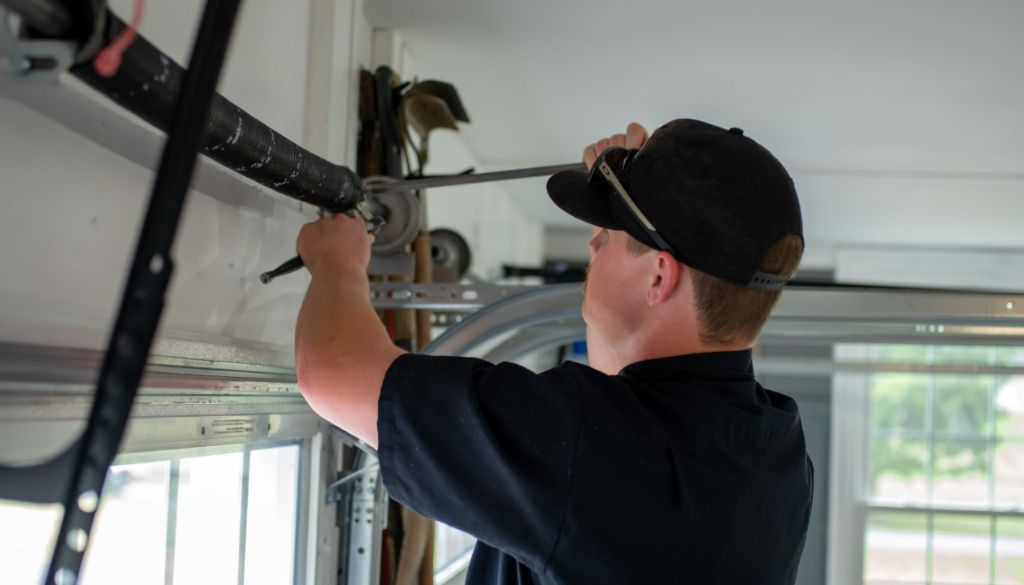
I have actually seen residential properties where whatever looked orderly till a severe weather event taxed the weakest part of the opening. Once that occurs, the conversation modifications instantly. The owner is no more asking whether a door should have been serviced. They are asking why the failure was foreseeable in knowledge and costly in practice.
The hidden value of service records
One of one of the most overlooked components of garage door ownership is record-keeping. Service days, fixing notes, and element replacements matter more than many people know. They assist develop whether maintenance has actually been maintained, which can matter for warranty coverage and for detecting reoccuring faults.
B&& D's guarantee problem is a good example of why this matters. If the very first service is missed out on or the two-year cycle is neglected, the protection might not be there when needed. Gliderol's support points parallel, with authorised maintenance intervals linked to continuous insurance coverage for sure components.
For owners and managers, that suggests the documents is not a management annoyance. It belongs to danger control. It tells the next specialist what has actually currently been done, what has been changed, and whether a mistake is most likely to be persisting or isolated.
This comes to be even more essential in business and commercial setups, where numerous individuals may report concerns in different means. A door that seems different, shuts unevenly, or trips a control feedback may be signifying the early stage of a larger issue. Without records, the indication are easy to dismiss.
The quiet advantage of doing it properly
The best garage doors are the ones that do not accentuate themselves. They open when they should, remain closed when they should, and maintain doing that through periods of heat, wind, humidity, and daily usage. That reliability is not unintentional. It originates from compliance, proper spec, and upkeep that respects the setting the door lives in.
For seaside owners, that might suggest paying closer interest to rust and maintenance regularity. For cyclone-prone locations, it suggests treating AS/NZS 4505 and the pertinent Queensland compliance structure as component of the construct, not an optional added. For industrial premises, it implies taking commercial garage door repair services seriously sufficient to avoid downtime and preventable hazards.
There is an expense to doing it appropriately. There is also a much larger cost to acting the door is simply a door.
roller replacementWhen garage door standards are ignored, the costs can arrive as architectural damages, wrecked contents, endangered protection, guarantee disagreements, or an emergency repair service that lands at the worst feasible time. When they are adhered to, the door becomes what it needs to have been all along, a regulated opening in a building, not a susceptability waiting for weather condition, wear, or haste to reveal it.