Garage Door Security Checks for Homes in Wind Region C.
A garage door looks easy from the road, however in Wind Region C it is just one of the most important parts of a home's weather condition defense. When a door is weak, improperly kept, or simply out of step with present garage door standards, it can become the first failing factor in a serious wind occasion. As soon as that opening up paves the way, the pressure inside the house can increase rapidly, and the damages is rarely restricted to the garage itself. Walls, ceilings, roofing system cladding, saved components, and also nearby residential properties can be affected.
That is why security look for homes in Wind Region C need to be useful, not cosmetic. A door may look penalty on a tranquil day and still be unsuitable for whirlwind winds. It might open up smoothly but have springtimes, wires, repairings, or a motor that are tired from years of use. It may have been mounted before the current wind-rated requirements came into effect and never ever appropriately evaluated given that. In this component of Queensland, that gap matters.
Why garage doors are worthy of even more attention in Wind Area C
Queensland's structure structure attracts from the National Building Code, the Queensland Advancement Code, the Structure Act 1975, and the Building Guideline 2021. Within that framework, Australian conformity for garage doors is not just a technical information. Criteria come to be vital when they are referenced by law, and then they quit being optional in technique. That is especially relevant in cyclone-prone locations where the wrong door can jeopardize the entire building envelope.
The Queensland Government has been clear that garage doors installed in affected areas given that 2012 need to fulfill the wind-rated standard, AS/NZS 4505. That matters due to the fact that older doors might not have adequate strength for cyclonic winds, even if they still operate well everyday. A door can be right, peaceful, and evidently dependable while still lacking the strengthened construction that wind area conditions demand.
The reason this gets a lot interest is not theoretical. After Cyclones Larry and Yasi, Queensland building assistance specifically recognised the need for a wind-rated requirement in Wind Area C. That background rests behind the current strategy, and it clarifies why installers, repairers, and property owners now have to think about more than ease. A garage door failure can turn a regional upkeep issue right into a structural one.
What a safety check need to in fact look at
A proper garage door safety check starts with the door itself, yet it needs to not quit there. In homes across Wind Region C, I have seen proprietors focus on the panels or the paint and ignore the components that lug the real tons. The door's tracks, springs, cords, correctings, and opener all contribute to just how well it does under stress.
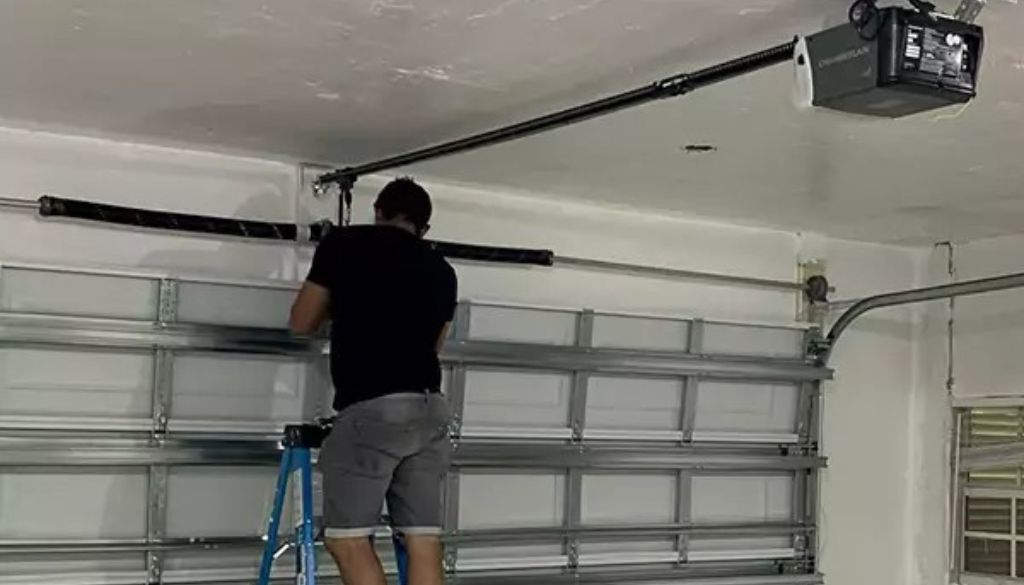
The first inquiry is whether the door is wind-rated for the area. If it was mounted after 2012 in an affected area, the presumption ought to not be that it is certified simply because it was sold as a garage door. The product, installment, and website conditions all issue. A certified door 24/7 garage door service in one setting may not suffice in another if the repairing information or exposure differ.
Next comes the problem of the moving parts. Springs store a great deal of pressure. Cable televisions do as well, differently. When either garage door repair services starts to use, fray, stretch, or lose tension, the door can become dangerous to operate and more challenging to safeguard. That danger is not constantly dramatic. Occasionally the early indicators are refined, a little adjustment in equilibrium, a slight hesitation as the door raises, or a sound that was not there before. Those little modifications are worth taking seriously.
The opener additionally should have a close appearance. B&D notes that a few of its openers consist of a solution indicator light, which works since it gives homeowners a sign that the system requires attention. That type of prompt needs to not be overlooked. A motor might maintain functioning long after it has begun to struggle, however struggle is precisely what you do not desire from a system that needs to hold a door steady in extreme weather.
Signs that are worthy of instant attention
Some issues are evident, others are easy to excuse until they become expensive. A door that scratches, rattles, or sits unevenly on its tracks is signalling that something has actually transformed. A remote that just works periodically may be as easy as a battery issue, however it can likewise expose a broader opener trouble. B&D's fixing advice indicate those standard reasons first, including reduced remote batteries or the opener being disconnected from the door.
The vital part is understanding where DIY finishes. Changing a remote battery is something. Changing springs, working with cables, or attempting to compel a stuck door back into line is something else completely. Those parts can hold sufficient power to wound somebody badly. On a secure task website, educated professionals manage the job due to the fact that the risks sit in the hardware, not simply the inconvenience.
If the door has visible rust, deterioration around bolts, or indications of physical damages from effect, it ought to be evaluated promptly. Coastal homes are especially susceptible to deterioration, and even tiny areas of damage can come to be larger weak points with time. A corroded fastener in a wind-rated system is not a minor blemish, it can be a factor of failing when the stress rises.
Age, service background, and the trouble with assumptions
One of the most convenient errors property owners make is thinking that because a door has actually lasted for several years, it should still be suitable. Durability is not the like compliance. A door mounted before the 2012 requirement might have worked completely in typical climate yet still disappoint present assumptions for Wind Area C. The very same puts on hardware that has actually survived seasonal tornados without significant concerns. Survival is not certification.
Service history issues due to the fact that garage doors age in layers. The panels may continue to be sound while the springtimes shed performance. The opener might still react, however slower than it made use of to. The security reversal may still operate, yet not as crisply. These are the type of modifications that a normal expert service is meant to catch.
Gliderol's maintenance advice is a valuable standard below. It recommends panel doors be fueled oil every 3 to 6 months and serviced every 2 years, with even more frequent attention for coastal residential or commercial properties. That is a sensible interval for proprietors that want both security and long life. B&D also connects service warranty insurance coverage on some domestic systems to maintenance within the very first year and afterwards a minimum of every 2 years. That is not just a guarantee detail. It reflects the truth that garage doors need scheduled focus to remain dependable.
For property owners, the functional takeaway is simple. If the service document is missing out on, vague, or older than 2 years, the door needs to be dealt with as due for assessment. In coastal or extremely exposed locations, that interval can be also long in method, particularly if the door sees heavy everyday use.
Repair, substitute, or upgrade
Not every concern indicates a full replacement. In some cases industrial garage door repair work are a far better answer than starting over, especially when the damages is separated and the door was originally selected well for the website. A broken opener, used rollers, exhausted weather seals, or a fallen short cord element might be repairable without replacing the whole setting up. That said, fixing just makes good sense when the underlying door still fulfills the appropriate wind and security expectations.
If the door is old, non-compliant, or repetitively needing focus, substitute usually becomes the smarter choice. This is specifically true in Wind Region C, where the margin for mistake is smaller sized. A door that keeps receiving patch repair work might be eating cash that would be better spent on a wind-rated upgrade. The choice typically boils down to three concerns: does it meet current requirements, can it be serviced accurately, and is the equipment currently too weary to trust?
There is likewise a distinction in between cosmetic upgrades and purposeful ones. A brand-new opener with clever controls works, but only if the door structure itself is sound. Much better comfort does not make up for weak correctings or a door that was never designed for the wind area it sits in. Also, a much more appealing coating does not enhance security if the springtimes, cords, and brackets are overdue for replacement.
How different door styles impact the security conversation
Homeowners frequently ask whether roller, sectional, or tilt doors are the very best option. The sincere response is that each can be ideal when developed, mounted, and kept correctly for the website. The style matters, yet wind ranking and conformity issue more.
Roller doors prevail since they are compact and sensible, particularly where driveway space is restricted. Sectional doors are typically chosen for their look and the means they open up in sections, which can make them really feel extra improved in household setups. Turn doors have their very own area, especially in homes where the opening geometry matches that layout. None of those options need to be judged on style alone in Wind Region C.
What matters is whether the door is crafted for the local wind region and whether the hardware has the stamina to stay in area under pressure. A well-installed area door can outshine a poor roller door, and the reverse can also hold true. The exact same holds for the opener. If the electric motor is underpowered, severely matched, or badly kept, it enters into the issue rather than part of the solution.
For homes near the coast, corrosion resistance should be part of the selection conversation from the start. Salt air does not just boring the coating, it reduces the life of equipment if the components are passed by and kept carefully. That is one factor owners in subjected residential areas typically need a lot more frequent maintenance than owners inland.
The property owner checks worth doing between professional services
A property owner can not and ought to not do major mechanical work with a garage door, yet there are a couple of practical checks that help capture difficulty early. These are not substitutes for a skilled evaluation. They are the tiny monitorings that tell you when to make the call.
An aesthetic take a look at the door can reveal unequal gaps, damage to panels, noticeable corrosion, or mendings that show up loose or missing. Pay attention for grinding, popping, or scratching when the door opens and shuts. Watch whether the door rises evenly or drifts away. Inspect whether the opener reacts continually and whether the remote is working as expected. If the door really feels much heavier than usual when run by hand, that is an indication something in the equilibrium system requires attention.
Here are the only checks most home owners must take into consideration regular between solutions:
- Look for noticeable rust, loose mendings, or visible damage.
- Listen for new sounds, particularly scratching, grinding, or popping.
- Test the opener and remote feedback for consistency.
- Watch whether the door opens up evenly without hesitation.
- Book a specialist if the door really feels heavier, sticks, or rests crooked.
That is enough to observe trouble early without transforming a resident right into a repair technician. Once an issue moves past basic observation, it belongs with someone educated to manage it safely.
Security and weather condition resistance are linked
It is appealing to separate protection from tornado preparedness, but in method they overlap. A garage door that is weak enough to bend excessively in wind might additionally be easier to force or exploit. A door with weary locks or an undependable opener might be much less secure in daily usage and even more prone in serious weather. That is why great maintenance repays twice.
Smart controls can boost convenience, and in some households they boost satisfaction too. Still, no smart function can make up for inadequate equipment. A robust system starts with a solid door, audio fixings, and an opener that is effectively matched to the door. Then the ease features sit on top of that foundation.
Owners often focus on remotes and phone control since those are the parts they discover most. The genuine value, though, depends on the surprise components. Springs that are correctly balanced, wires that are undamaged, tracks that are straightened, and bolts that are doing their job are what maintain the door secure when problems change quickly.
Why service periods matter extra in seaside components of Wind Region C
Wind Region C consists of a lot of homes that encounter not only strong wind, but salt, moisture, and hefty seasonal wear. Those problems can reduce the life of parts that look fine from a range. A door that is serviced every number of years in a protected inland place may need interest earlier near the shore. Gliderol's guidance to service more frequently in seaside buildings reflects that reality.
There is additionally a service warranty angle that house owners ought to not miss out on. When suppliers set solution intervals, they are not just managing consumer treatment, they are defining the problems under which the system is anticipated to perform. If servicing gaps, warranty cover for motorised components can be influenced. That is another reason to maintain documents and billings. If you ever need to confirm a solution background, memory is not enough.
The very same reasoning relates to any type of home where the garage door sees hefty day-to-day usage. A family that cycles the door numerous times a day will certainly put on equipment faster than a residential property where the door is made use of occasionally. More usage implies a lot more cycles, and a lot more cycles mean even more wear. That is not a flaw, simply mechanics.
A functional way to consider risk
The best concern is not whether a garage door has ever before made it through a bad storm. The appropriate inquiry is whether it is currently fit for the wind region it beings in. That indicates inspecting conformity, age, problem, and service history together. An attractive door can still be the incorrect door. A working door can still be past due for solution. A repaired door can still be a poor candidate for additional patchwork if the structure is fatigued.
The safest approach is normally the least dramatic one. Confirm the door's wind rating. Validate its solution record. Take notice of deterioration, wear, and uncommon operating behaviour. Get a qualified expert to check the system if anything doubts. If the door is old, severely matched to the website, or repeatedly failing, substitute is commonly the far better financial investment than attempting to maintain a weak system alive.
Wind Region C does not forgive assumptions. A garage door is not just an ease at the front of your home, it becomes part of the building's ability to take on extreme weather. When it is checked appropriately, serviced promptly, and replaced when it is no longer fit for objective, it does its task quietly. That is what you desire from a door in a cyclone-prone region, not something excellent, just something dependable when the weather turns.